
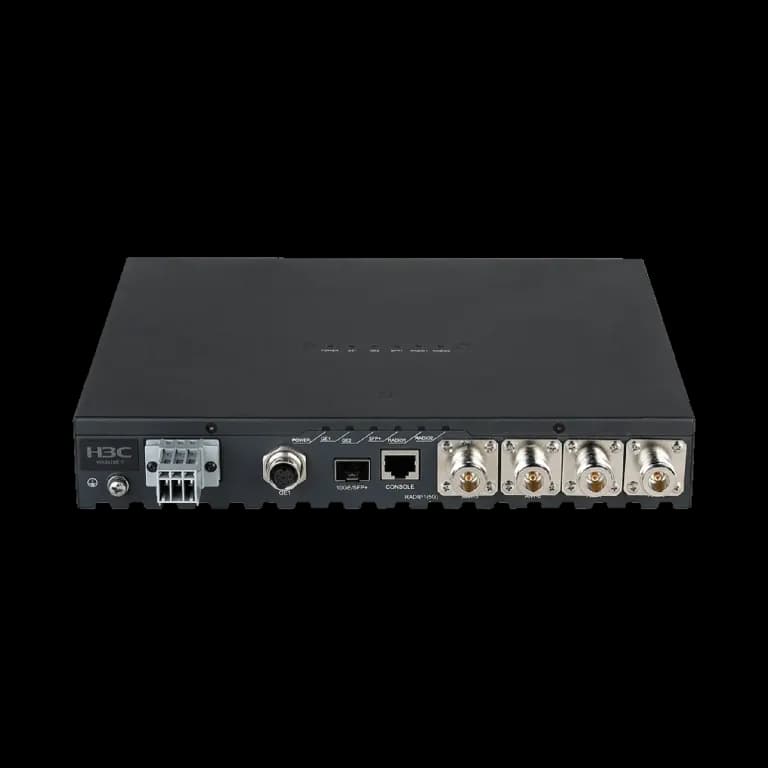
H3C WA6628E-T Wi-Fi 6 Rail Transit Access Point
An all-metal Wi-Fi 6 AP for trains and vehicles, with M12 connectors and resistance to strong electromagnetic interference.
Price on Request
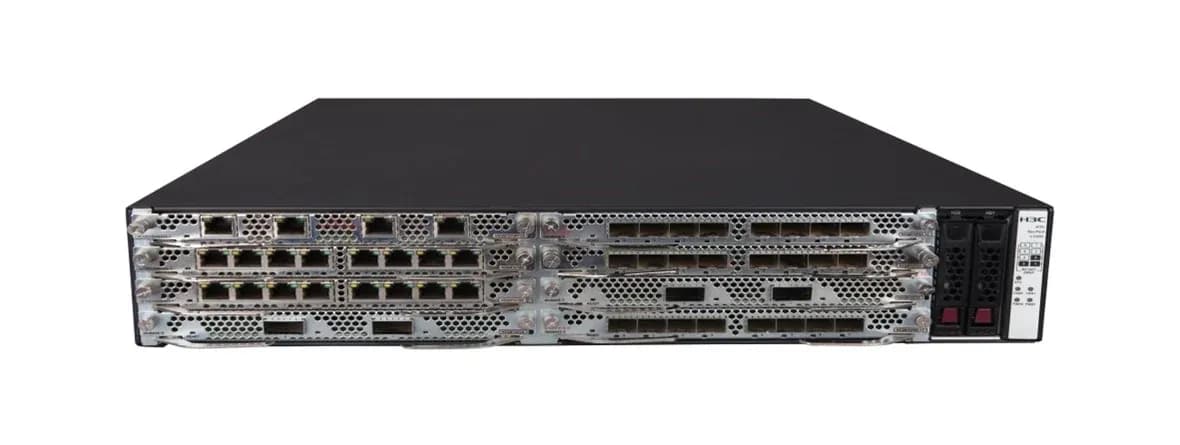
Load balancers for server and link load balancing, application optimisation and security in data centres and campuses.
Island-wide delivery to all 25 districts
| Models | L5030, L5060, L5080, L5000-AD920 |
|---|---|
| Ports | L5030: 1 × console port 1 × USB port 4 × combo interfaces 8 × GE copper ports 8 × 10-GE fiber ports; L5060: 1 × console port 1 × USB port 4 × combo interfaces 8 × GE copper ports 8 × GE fiber ports 8 × 10-GE fiber ports; L5080: 1 × console port 1 × USB port 4 × combo interfaces 8 × GE copper ports 8 × GE fiber ports 8 × 10-GE fiber ports; L5000-AD920: / |
| Expansion slot | L5030: 6 (for interface); L5060: 5 (for interface); L5080: 5 (for interface); L5000-AD920: 2 for SPU 2 for interface |
| Ambient temperature | Operating: 0°C to 45°C (32°F to 113°F) Storage: –40°C to +70°C (–40°F to +158°F) |
| Relative humidity | Operating: 10 to 95%, non-condensing Storage: 5 to 95%, non-condensing |
| Server load balancing scheduling algorithms | Round robin algorithm Weighted round robin algorithm Random algorithm Least connection algorithm Weighted least connection algorithm Bandwidth algorithm Maximum bandwidth algorithm Source IP address hash algorithm Source IP address and port hash algorithm Destination IP address hash algorithm HTTP hash algorithm Least time algorithm Local priority algorithm |
| Link load balancing scheduling algorithms | Round robin algorithm Weighted round robin algorithm Least connection algorithm Weighted least connection algorithm Random algorithm Source IP address hash algorithm Destination IP address hash algorithm Source IP address and port hash algorithm Dynamic proximity algorithm Bandwidth algorithm Maximum bandwidth algorithm Local priority algorithm ISP-based algorithm |
| Sticky methods for server load balancing | Source IP-based Source port-based Destination IP-based Destination port-based Source IP and source port-based Destination IP and destination port-based Source IP, source port, destination IP, and destination port-based Payload-based HTTP header-/HTTP cookie-/HTTP URL-/HTTP content-/SSLID-based SIP-based RADIUS-based |
| Health monitoring | Ping (ICMP), TCP, TCP HALF-OPEN, UDP, SSL, HTTP, HTTPS, FTP, RADIUS, DNS, SIP, RTSP, SMTP, POP3, WAP |
| Support for virtual service/real service/real service group | Supports virtual service, real service, and real service group |
| HTTP policy | Match rules: HTTP header HTTP cookie HTTP URL HTTP content HTTP method HTTP class Generic-class Actions: Inserting an HTTP header Rewriting an HTTP header Deleting an HTTP header Rewriting the SSL URL location Rewriting the URL in the Location header of HTTP responses from the server Specifying an SSL client policy Specifying a real service group |
| Generic policy | Match rules: Source IP Generic-class Actions: Specifying an SSL client policy Setting a ToS field value for IP packets Specifying a real service group |
| HTTP parameter profile | Case sensitivity Maximum length of HTTP headers that can be parsed Maximum length of HTTP contents that can be parsed Reuse of the connection between LB device and server Insert, delete, or modify operation for the header of each HTTP request Load balancing for each HTTP request Delimiter that separates secondary cookies in URLs Start delimiter for secondary cookies in URLs. Action to take when a URL or cookie exceeds the maximum length |
| TCP parameter profile | Action to take on the segments that exceed the MSS in the HTTP requests: allow or drop Transmit and receive buffer sizes |
| IP parameter profile | ToS field value of IP packets sent to the client |
| SSL offloading | Takes off SSL processing from servers SSL server: Supports all SSL server functions, such as certificate management and authentication SSL client: Supports all SSL client functions and SSL-encrypted communications with the server |
| Attack prevention | Protection against SYN flood, UDP flood, ICMP flood, and HTTP Get flood |
| Network protocol | Ethernet, STP, MSTP, RSTP, QinQ, VLAN, static routing, RIPv1/v2, OSPFv2, BGP-4, IS-IS, IGMP, and PIM |
| IPv6 | IPv6 forwarding and service processing |
| Management mode | CLI (Telnet/SSH) Web (HTTP/HTTPS) SNMPv3, compatible with SNMPv2c and SNMPv1 |
| Models | L5030, L5060, L5080, ADEEMPA0, ADEEMPB0, ADEEMPC0 |
| L4 Throughput | L5030: 40 Gbps; L5060: 60 Gbps; L5080: 70 Gbps; ADEEMPA0: 120Gbps; ADEEMPB0: 50Gbps; ADEEMPC0: 120Gbps |
| L4 QPS | L5030: 400,000; L5060: 500,000; L5080: 600,000; ADEEMPA0: 700,000; ADEEMPB0: 350,000; ADEEMPC0: 700,000 |
| L4 concurrent sessions | L5030: 16 million; L5060: 36 million; L5080: 92 million; ADEEMPA0: 60,000,000; ADEEMPB0: 30,000,000; ADEEMPC0: 60,000,000 |
| L7 throughput | L5030: 14 Gbps; L5060: 14.8 Gbps; L5080: 15.4 Gbps; ADEEMPA0: 30Gbps; ADEEMPB0: 15Gbps; ADEEMPC0: 35Gbps |
| L7 CPS | L5030: 80,000; L5060: 100,000; L5080: 130,000; ADEEMPA0: 170,000; ADEEMPB0: 90,000; ADEEMPC0: 180,000 |
| L7 RPS | L5030: 400,000; L5060: 450,000; L5080: 500,000; ADEEMPA0: 950,000; ADEEMPB0: 500,000; ADEEMPC0: 1,000,000 |
| GSLB QPS | L5030: 100,000; L5060: 110,000; L5080: 120,000; ADEEMPA0: 220,000; ADEEMPB0: 120,000; ADEEMPC0: 250,000 |
An all-metal Wi-Fi 6 AP for trains and vehicles, with M12 connectors and resistance to strong electromagnetic interference.
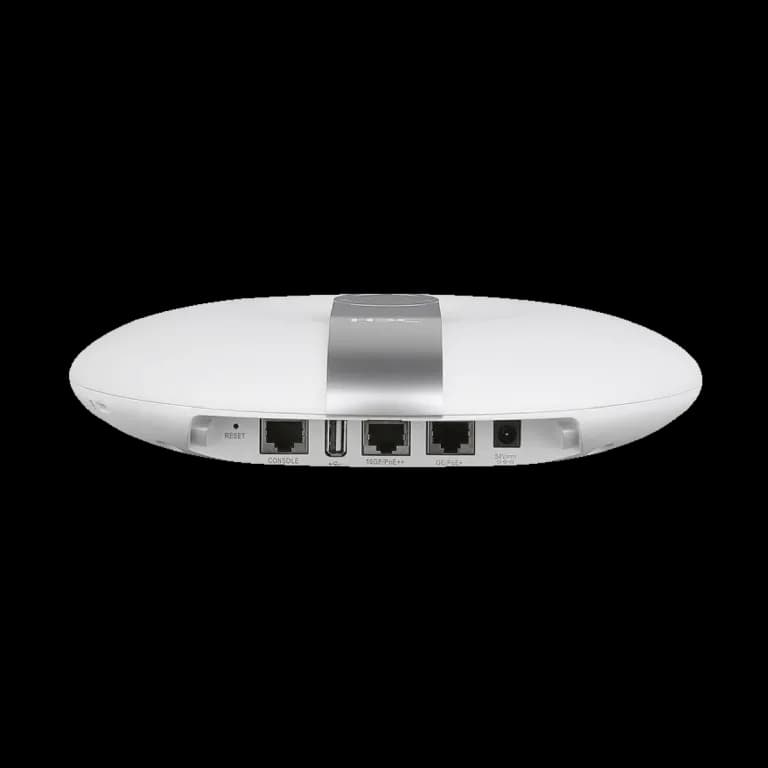
A 12-stream Wi-Fi 6 flagship with an 8x8 5 GHz radio and 10G uplink for stadiums, auditoriums and lecture halls.
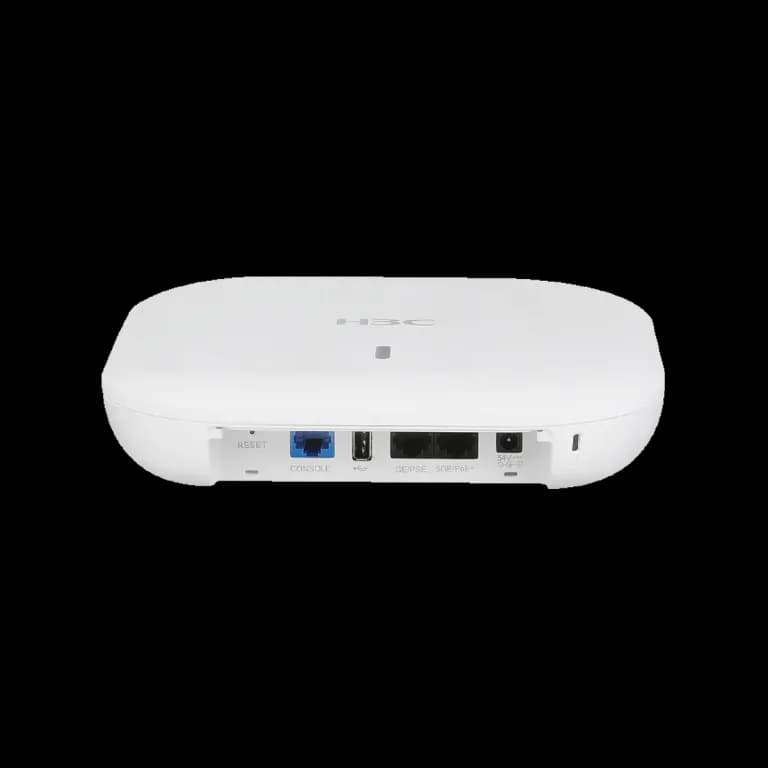
A Wi-Fi 6 AP with a 4x4 5 GHz radio and 5G multigigabit uplink for demanding indoor deployments.
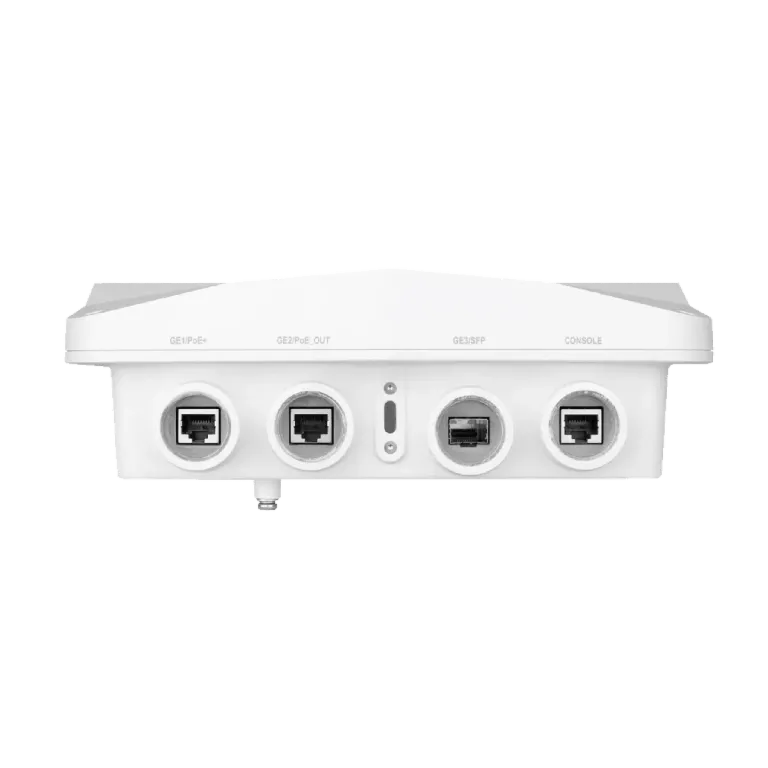
An outdoor Wi-Fi 6 AP with two 2x2 radios, switchable to dual 5 GHz, plus PoE-out for cameras or sensors.